
A Community with Deep Roots
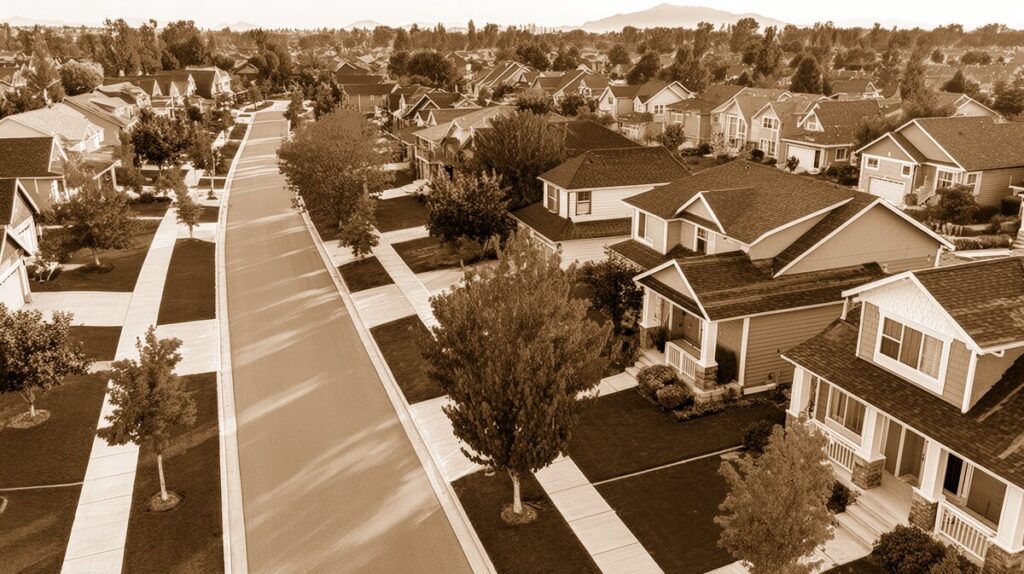
Nestled within the scenic village of Moreland Hills, the Twin Acre Estates neighborhood stands out as a testament to the area's rich history, thoughtful planning, and timeless charm. With its tree-lined streets, elegant homes, and welcoming spirit, Twin Acre Estates captures the enduring appeal of a close-knit community that has grown gracefully alongside the village itself.
Origins: From Farmland to Family Living
Twin Acre Estates traces its beginnings to the mid-twentieth century, when Moreland Hills was still defined by rolling farmland and country estates. The name "Twin Acre Estates" is a nod to the original land platting, in which the first residential parcels were set at approximately two acres each—a rarity even then, designed to offer both openness and privacy. Many longtime residents recall stories of the old farms that filled the area, including those along what is now Twin Acre Drive and Arbor Lane, two of the neighborhood’s main thoroughfares.
The development began in earnest in the 1950s and '60s, at a time of postwar growth throughout Cuyahoga County. Twin Acre Estates quickly established itself as an attractive alternative to denser city living, drawing families who appreciated its green spaces, sense of safety, and easy access to the cultural and educational amenities of Cleveland’s eastern suburbs.
How Twin Acre Estates Got Its Name
The “Twin Acre” designation is both practical and symbolic. Not only did the original home sites provide around two acres per property—a significant draw for prospective homeowners—but the name also reflects a philosophy of balance and duality: space for individual expression, coupled with the shared joys and responsibilities of neighborhood life. Streets like Twin Acre Drive and other nearby lanes (including Timberlane Drive and Chestnut Hill Drive) recall this thoughtful approach to suburban planning.
Key Historical Milestones
Over the decades, Twin Acre Estates has seen both subtle and significant changes:
- Development of Parks and Green Spaces: The proximity to Moreland Hills’ many gardens and preserves, such as Forest Ridge Preserve, has always been a highlight. Early residents helped establish and maintain walking paths and wooded commons that today are havens for wildlife and leisurely strolls.
- Architectural Evolution: The neighborhood is known for its blend of mid-century modern and traditional homes. Some of the earliest houses, built in the late 1950s, retain charming original features—think broad, shaded porches and brick facades. As the neighborhood matured, newer homes were added, reflecting changes in taste but always adhering to the area’s stately aesthetic.
- Community Organizations: Over the years, Twin Acre Estates has fostered a tradition of neighborly involvement. Garden clubs, book groups, and annual block parties have long been part of local life. In the early 1980s, this spirit led to the formation of the Twin Acre Estates Civic Association, which advocated for traffic calming and preservation of green spaces.
Notable Landmarks and Institutions
While Twin Acre Estates is primarily residential, its proximity to Moreland Hills’ landmarks adds to its appeal.
- Moreland Hills Historical Society: Located a short drive from Twin Acre Estates, this institution preserves and shares local history, including archives and photos of neighborhood development.
- Forest Ridge Preserve: Adjacent to the neighborhood, this park is one of the village’s treasures, a wooded oasis with trails, wildflowers, and stately old-growth trees.
- Nearby Schools: Residents have long valued easy access to nearby Orange Schools, which are renowned for academic excellence and community involvement.
Neighborhood Evolution Over the Decades
While much remains familiar to families who’ve called Twin Acre Estates home for generations, time has brought change:
- Generational Shifts: Many original homeowners raised families here, and today, a new generation is moving in, drawn by both nostalgia and the timeless qualities of the neighborhood.
- Sustainability and Preservation: Residents continue to advocate for sustainable landscaping and preservation of mature trees, ensuring that the natural beauty of the area remains intact for years to come.
- Modern Conveniences: While the homes retain their historic charm, many have been renovated to suit modern tastes, combining original architectural features with updated kitchens, energy-efficient windows, and smart home technology.
What Makes Twin Acre Estates Special Today
Ask any resident, and they’ll likely speak of:
- Community Spirit: From impromptu gatherings on front lawns to organized neighborhood events, the welcoming atmosphere is palpable.
- Access to Nature: Mature trees, expansive yards, and nearby parks provide a peaceful retreat from the bustle of city life.
- Pride of Place: Homeowners take pride in both their properties and the broader neighborhood, working together to keep Twin Acre Estates beautiful, safe, and cohesive.
Streets That Tell a Story
The names of local streets—Twin Acre Drive, Timberlane Drive, and Chestnut Hill Drive—carry echoes of the area’s wooded past. Walking along these gently curving lanes, one is struck by the continuity between past and present: children playing under ancient maples, neighbors jogging along familiar sidewalks, and homes that have gracefully adapted to modern life without losing their character.
Conclusion: A Legacy Carried Forward
For those who live here, Twin Acre Estates is more than a neighborhood—it’s a legacy. Rooted in Moreland Hills’ agricultural history, shaped by thoughtful planning, and sustained by a sense of belonging, this is a place where the past is honored even as new stories unfold. Twin Acre Estates exemplifies what makes Moreland Hills a cherished corner of northeast Ohio: community, charm, and enduring heritage.